
Gut Bacteria Metabolite May Accelerate Alzheimer’s-Related Brain Damage

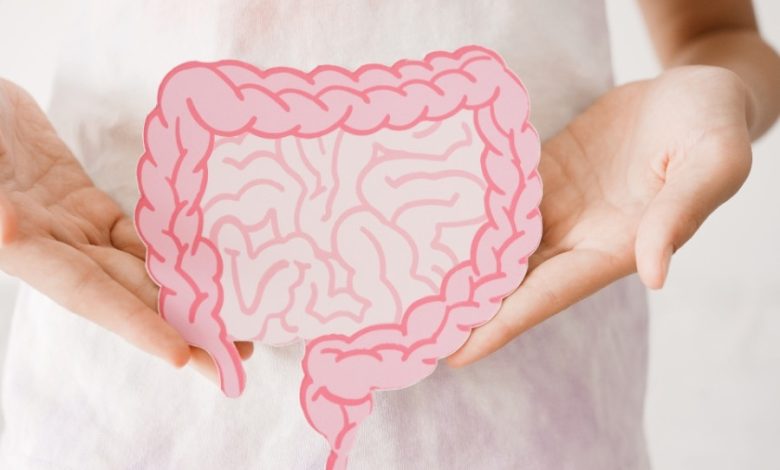
A metabolite produced by certain gut bacteria, known as imidazole propionate, may accelerate brain changes associated with Alzheimer’s disease. Higher blood levels of the molecule were linked to faster cognitive decline in humans, while animal studies showed that it can directly worsen neurodegeneration.
Introduction: New research has identified a potentially important link between gut bacteria and Alzheimer’s disease. The study, published in Nature Communications, found that imidazole propionate, a metabolite produced when gut bacteria break down the amino acid histidine, was associated with cognitive decline and biological changes seen in Alzheimer’s disease.
Nearly 1,200 older adults were studied
Researchers analyzed blood samples from nearly 1,200 older adults, most of whom had no diagnosed cognitive impairment. Levels of imidazole propionate were compared with participants’ performance on memory and problem-solving tests.
Those with the highest levels of the metabolite performed worse at the start of the study and experienced earlier and faster declines in memory and executive function during follow-up.
The analysis also accounted for age, sex, body mass index and APOE, a well-known genetic risk factor for Alzheimer’s disease.
Higher levels linked to Alzheimer’s biomarkers
Elevated imidazole propionate levels were associated with increased markers of tau pathology and neurofilament light chain, a protein released when brain cells are damaged.
Researchers also examined gut bacteria from 294 participants. People with a higher abundance of bacteria carrying the “urdA” gene, which is involved in producing imidazole propionate, had lower cognitive scores and higher Alzheimer’s-related biomarkers.
Genetic evidence strengthened the link
The team identified a genetic variant on chromosome 12 that causes some people to naturally accumulate higher levels of imidazole propionate in their blood.
Carrying this variant was associated with an increased risk of Alzheimer’s disease, strengthening the possibility that the metabolite may contribute directly to the disease process rather than simply being a marker of poor health.
More plaques and inflammation in mice
The researchers also tested the metabolite in two mouse models designed to develop Alzheimer’s-like brain changes.
In mice prone to amyloid plaque buildup, imidazole propionate increased the number of plaques in the brain. In another model prone to tau tangles, the metabolite triggered severe inflammation and increased activity in astrocytes, the brain’s support cells.
Blood-brain barrier was also affected
Laboratory experiments showed that imidazole propionate weakened the blood-brain barrier, which normally protects the brain from harmful substances circulating in the bloodstream.
Further tests found that the metabolite caused neurons to rapidly accumulate damaged tau proteins. Blocking the GSK3-beta enzyme completely reversed this effect, pointing to a possible molecular pathway through which the gut-derived chemical may damage brain cells.
Cause and effect in humans is not yet proven
Researchers cautioned that the human data show a strong association but do not prove that lowering imidazole propionate would prevent Alzheimer’s disease.
The animal experiments were also conducted only in male mice, and the metabolite was given through drinking water, which may not fully replicate how it is naturally produced and absorbed in humans.
Future studies will examine whether dietary changes or targeted treatments can safely reduce the production of imidazole propionate in the gut.
Source: NationalTurk

